hs, ms
Careers in the Life Sciences
What are the careers within the life sciences? How do those careers work together to solve health-related problems?
Applied science roles involved in producing biological or chemical products.
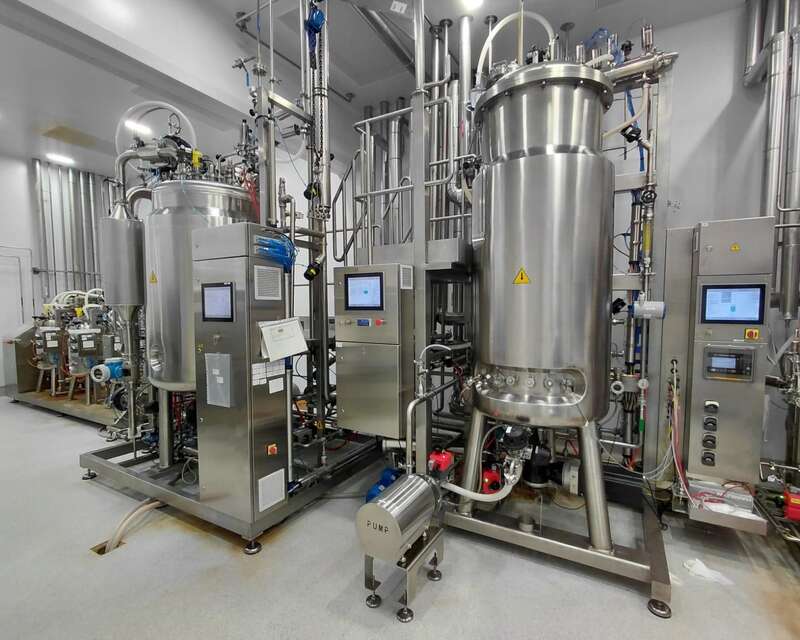
Applied science roles involved in producing biological or chemical products.
This pathway focuses on designing and developing methods and equipment to manufacture products from biological materials. Professionals in this field use Good Manufacturing Practices (cGMP) to establish repeatable standard operating procedures (SOPs) that ensure consistent product quality. Biomanufacturing produces a diverse range of products including pharmaceuticals, biofuels, plant-based proteins, cosmetics, chemicals, nutraceuticals, polymers, paper, food ingredients, and animal feed.
These careers show how biology moves from the lab to large-scale production of medications, vaccines, fuels, and gene therapies. Careers describe how cells, enzymes, and biochemical reactions are managed in real manufacturing environments.
This pathway connects classroom biology to how medicines, fuels, and biotech products are made, supporting Ohio’s focus on real-world relevance and connects physiological concepts (i.e. enzymes, hormones, and cellular function) to how treatments and medical products are produced.
What are the careers within the life sciences? How do those careers work together to solve health-related problems?
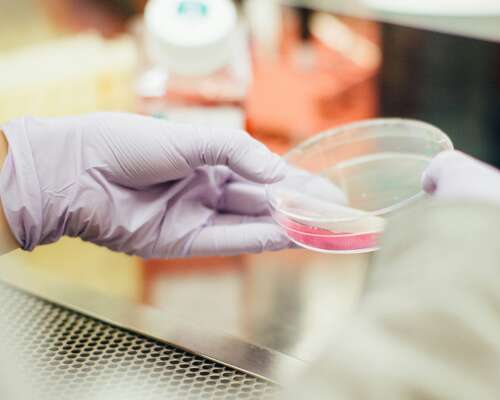
How might we confirm the purity of biomanufactured proteins to ensure that only the intended recombinant protein is being produced in a given batch?
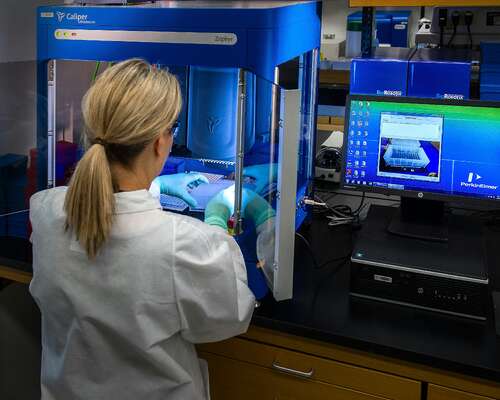
What are current good manufacturing practices and how might we use them to create a snack mix that meets the regulations?
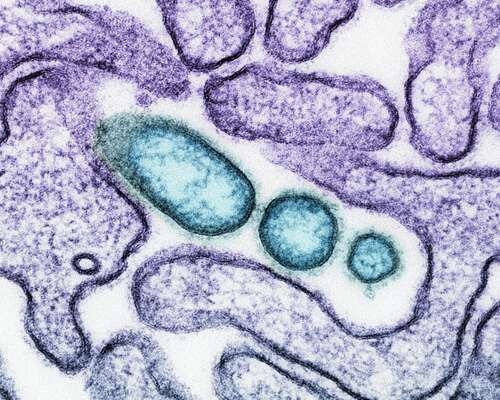
What is the importance of monitoring for pathogens and cleanliness in lab spaces?
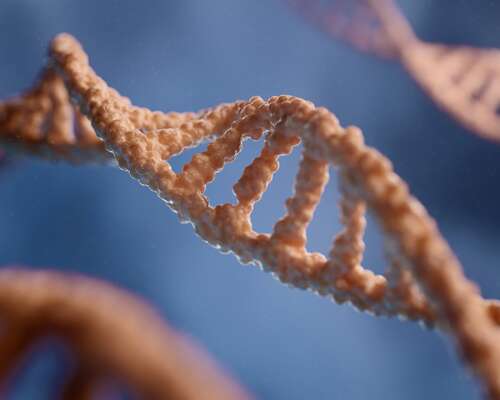
What elements are necessary to remove DNA from a cell and in what quantities? What skills are necessary to be a successful group member?
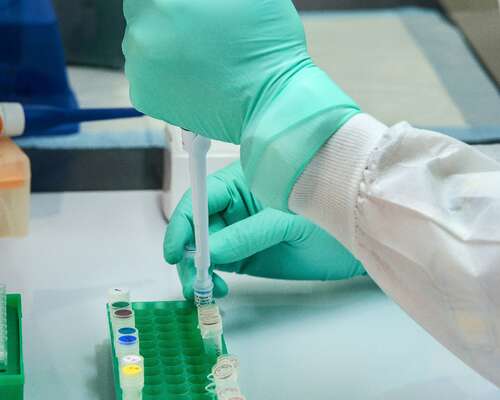
Why are SOPs important in biotechnology? What components are needed for an SOP?
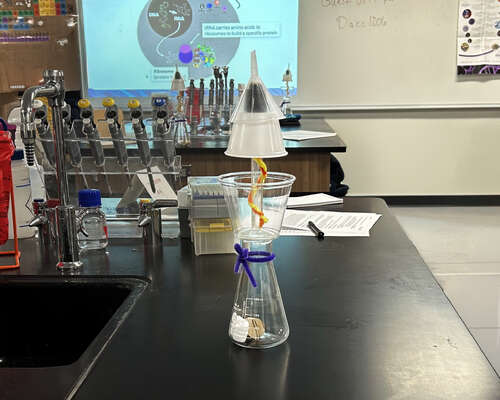
How does the genetic code from DNA get communicated to the ribosomes for protein synthesis?