ms
Prosthetics engineering design challenge
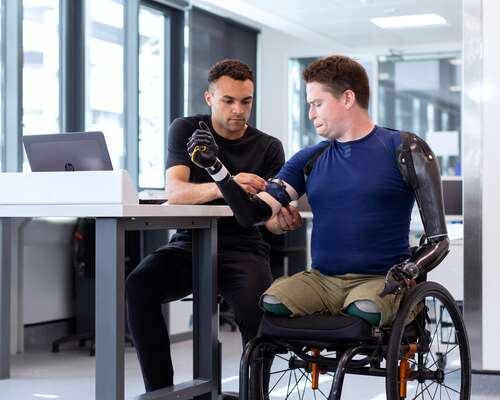
How might the engineering design process be used to create a prototype to help someone with a limb difference button their shirt?
Designing and applying engineering principles to biological, chemical, or medical systems.
Designing and applying engineering principles to biological, chemical, or medical systems.
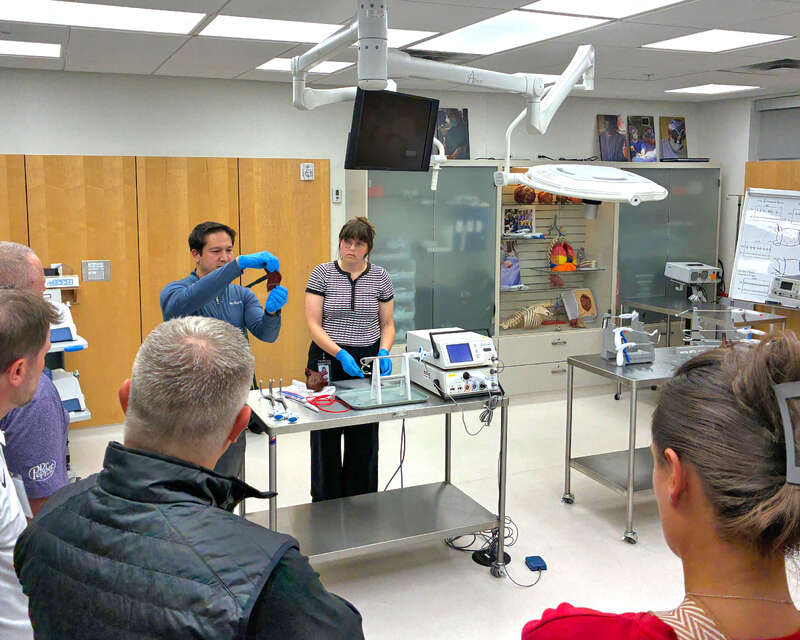
Life sciences engineers apply engineering principles to design, scale, and optimize systems that produce biological, chemical, and medical materials. These professionals transform laboratory discoveries into large-scale manufacturing processes, whether creating biofuels, developing plant-based proteins, designing medical devices, or building controlled environment agriculture systems. They bridge the gap between scientific innovation and real-world production.
Biology, chemistry, and physics are applied to design solutions such as medical devices, biotechnologies, and engineered systems. Engineers turn scientific knowledge into tools that improve health, agriculture, and industry by bridging science and problem-solving. Engineering careers apply biology, chemistry, physics, and math to design solutions—such as medical devices, biotechnologies, and engineered systems, connecting scientific knowledge to problem-solving, design constraints, and real-world applications.
These careers show students how biology and chemistry are applied to solve problems that reinforce Ohio’s emphasis on science as an applied discipline and demonstrate how understanding anatomy and physiology leads to medical devices, imaging technologies, and therapeutic tools.
How might the engineering design process be used to create a prototype to help someone with a limb difference button their shirt?

What are the careers within the life sciences? How do those careers work together to solve health-related problems?
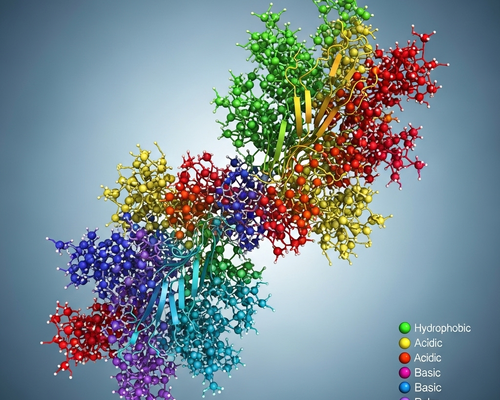
How do the chemical properties of amino acids affect the structure of a protein?
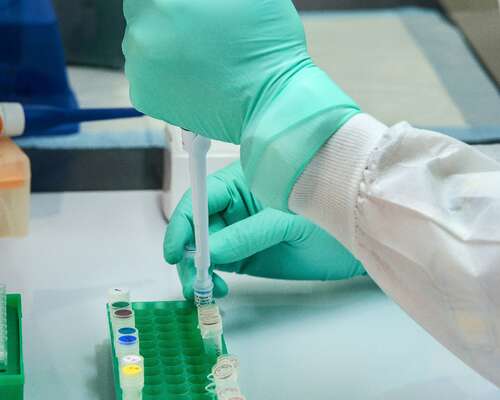
Why are SOPs important in biotechnology? What components are needed for an SOP?
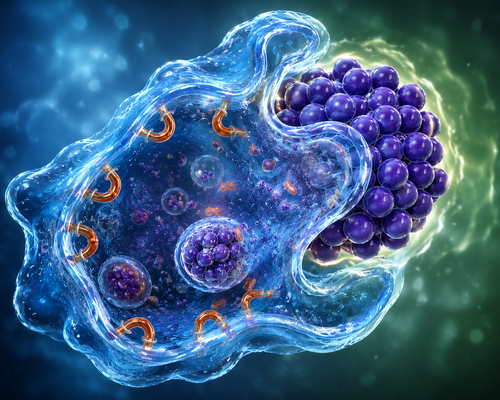
How might the engineering design process help to design an immune cell to “capture” an invader (bacteria, virus, etc.)? How is the immune cell affected when a mutation occurs?