hs, ms
Careers in the Life Sciences
What are the careers within the life sciences? How do those careers work together to solve health-related problems?
Ensuring compliance, accuracy, safety, and communication of complex science.

Ensuring compliance, accuracy, safety, and communication of complex science.
Careers in this pathway ensure that scientific research and biotech products are safe, ethical, and compliant with laws and standards. People who work in this pathway safeguard public health by ensuring that pharmaceuticals, medical devices, biotechnology products, and healthcare solutions meet rigorous standards for safety, efficacy, and regulatory compliance. In the life sciences, quality standards directly impact patient safety, product effectiveness, and public trust. Because most pharmaceutical and biotechnology products are intended for human use, even minor quality lapses can have serious health consequences. This is why the industry operates under strict regulatory oversight and why quality management professionals serve as the critical line of defense between innovation and patient care.
These careers ensure scientific work is accurate, safe, ethical, and compliant with laws and standards. The role of documentation, data integrity, ethics, and decision-making in science and biotechnology is shown in these career areas.
Ohio standards emphasize responsible science. This pathway highlights ethics, safety, accuracy, and decision-making in biological work and responsible use of human biological information.
What are the careers within the life sciences? How do those careers work together to solve health-related problems?

How might we confirm the purity of biomanufactured proteins to ensure that only the intended recombinant protein is being produced in a given batch?
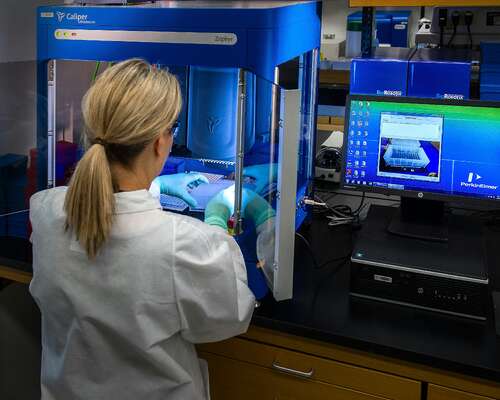
What are current good manufacturing practices and how might we use them to create a snack mix that meets the regulations?
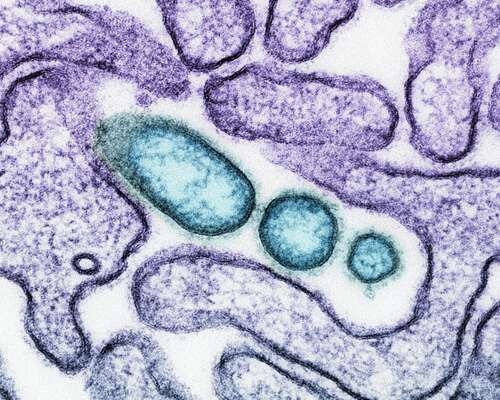
What is the importance of monitoring for pathogens and cleanliness in lab spaces?
Why are SOPs important in biotechnology? What components are needed for an SOP?