hs
Discovery-focused roles working in labs, field research, or data-driven science.
Discovery-focused roles working in labs, field research, or data-driven science.
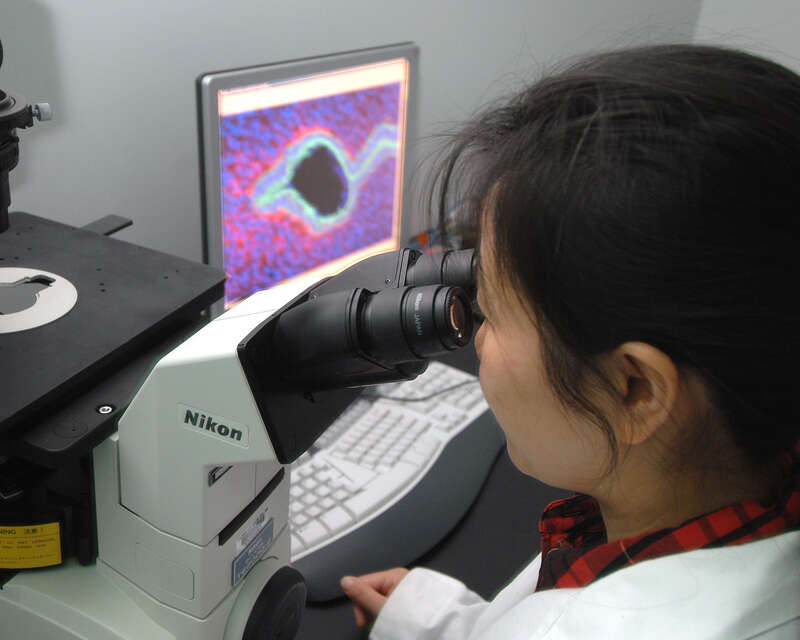
Laboratory and research scientists, technicians, and assistants conduct diagnostic tests in hospitals, clinics, biotech companies, and research institutions. In medical settings, test results are critical to patient care with an estimated 50% of decisions about diagnosis, treatment, hospital admission and discharge depend on these findings. As technology advances, new laboratory tests are continually being developed and refined. Demand for these careers is high, with educational requirements varying based on the specific role.
Scientists in these careers investigate living systems, from cells and microbes to ecosystems and human health. They design experiments, collect data, and use biology, chemistry, and statistics to answer real-world questions. These careers focus on the skills: asking scientific questions, designing investigations, collecting and analyzing data, and drawing evidence-based conclusions. Core biology and chemistry concepts (i.e. cells, enzymes, genetics, ecosystems, and experimental design) are used by working scientists.
This pathway directly mirrors how Ohio expects students to do science—asking questions, collecting data, analyzing results, and explaining biological phenomena in addition to showing how scientists study human structure and function at the cellular, tissue, and system levels.
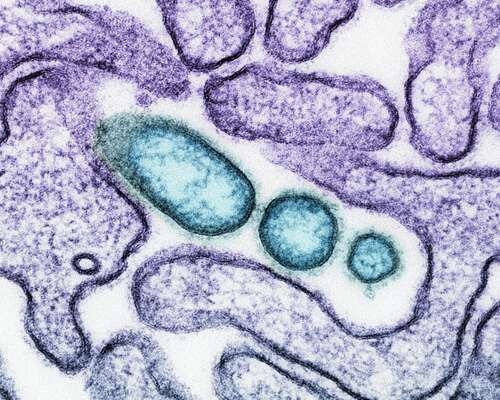
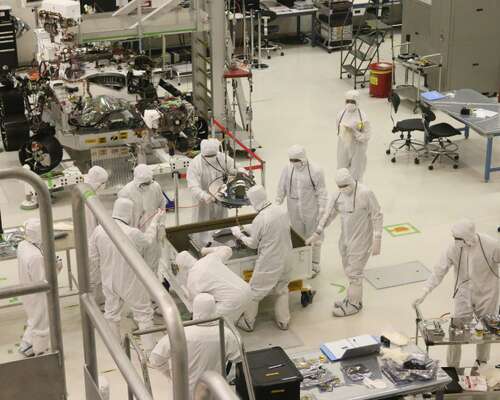
What is the importance of monitoring for pathogens and cleanliness in lab spaces?

How do pH, heat, and the concentration of enzymes impact the enzymatic activity of protease in breaking down gelatin?
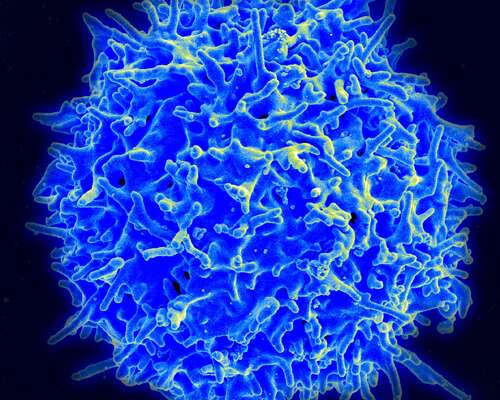
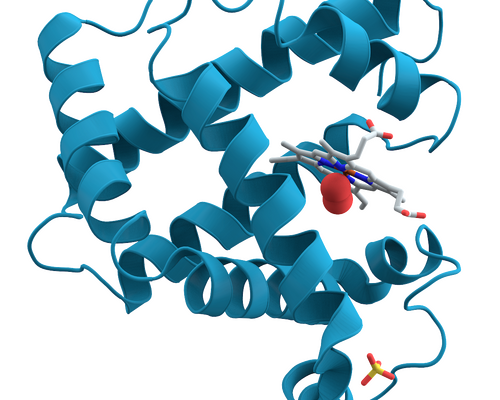
How might we identify an unknown protein from an amino acid sequence and predict its three-dimensional shape?
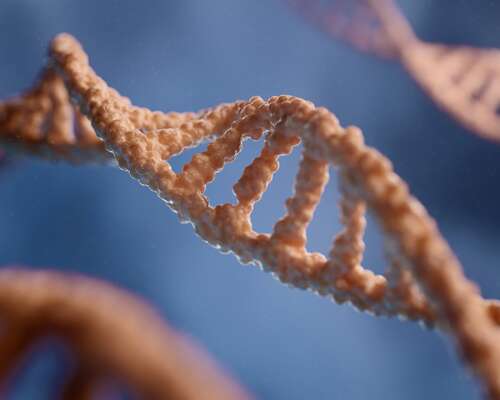
What elements are necessary to remove DNA from a cell and in what quantities? What skills are necessary to be a successful group member?
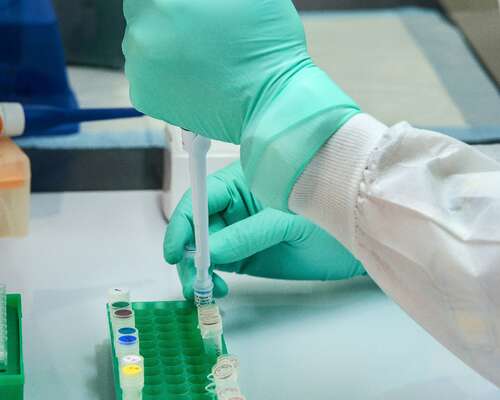
Why are SOPs important in biotechnology? What components are needed for an SOP?
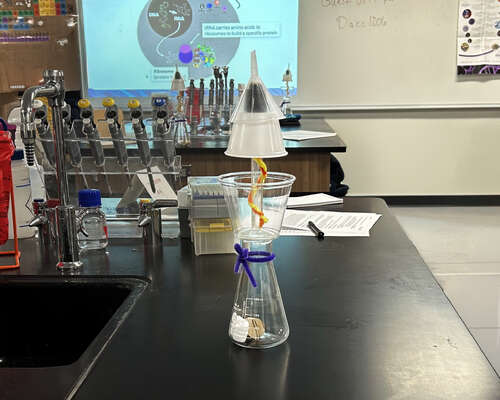
How does the genetic code from DNA get communicated to the ribosomes for protein synthesis?
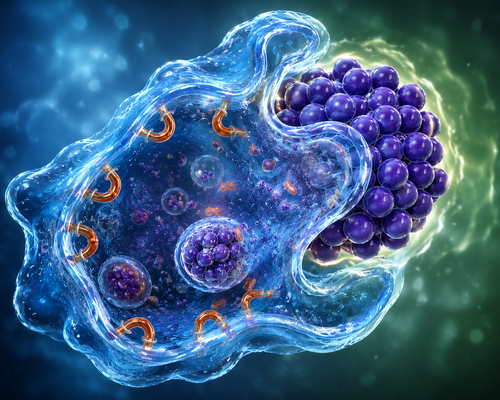
How might the engineering design process help to design an immune cell to “capture” an invader (bacteria, virus, etc.)? How is the immune cell affected when a mutation occurs?
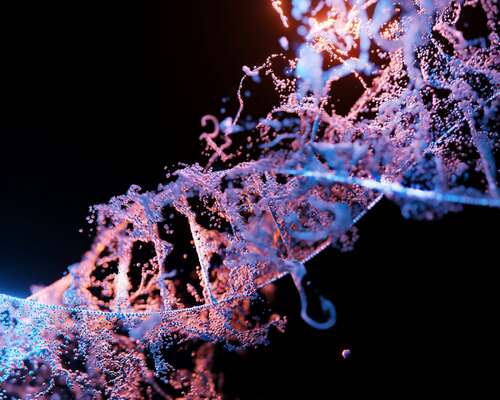
How do medical scientists identify the causal agent of respiratory disease? What tools allow medical researchers to decode a nucleotide sequence and match it to a specific pathogen?